Waders & Cold-Weather Layering Best picks
Best Socks for Duck Hunting in Waders
Cold feet in waders is a fit problem before it is a warmth problem. Three options ranked on what the makers publish, from a heated merino sock to an adhesive toe warmer.

We may earn a commission when you buy through links on this page, at no extra cost to you. It never decides the ranking: the scoring method is published. How we're funded
Quick picks
The short answer
| # | Product | Best for | Score | Price |
|---|---|---|---|---|
| 1 | 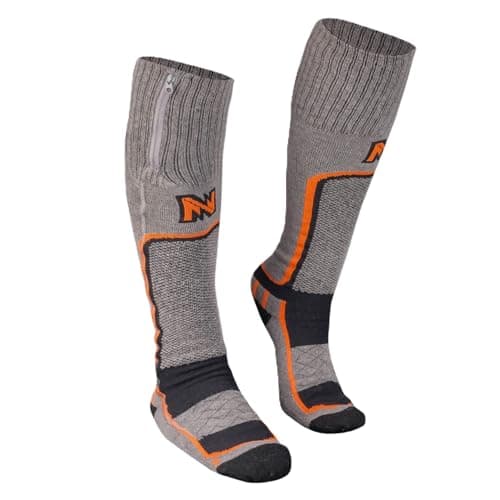 Fieldsheer Merino 2.0 Heated Socks Over-the-calf merino-blend socks with heating under the toes, three settings from 90 to 135 degrees and a published runtime of 5-plus hours on high, 8-plus on medium and 16-plus on low, run from a wireless remote so you do not dig into your waders. | Best for feet that quit before the hunt does | 6.8 / 10 | $44.99Amazon |
| 2 | 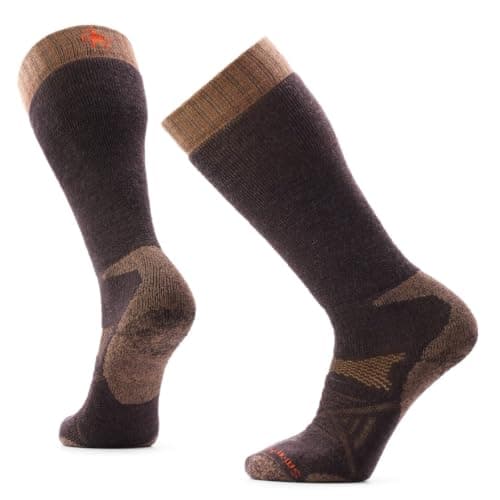 Smartwool Hunt Wader Over The Calf Socks 72 percent merino, 27 percent recycled nylon and 1 percent elastane in an extra-cushion, over-the-calf cut that Smartwool says is made for long wader sessions, with Indestructawool reinforcement in the wear zones and a two-year satisfaction guarantee. | Best unheated wader sock | 5.5 / 10 | $33.00Amazon |
| 3 | 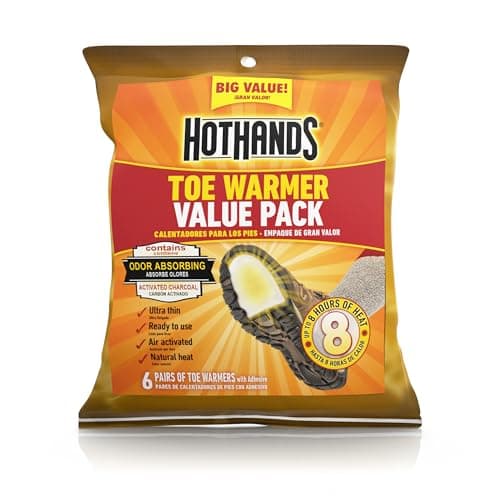 HotHands Toe Warmers (6 Pairs) Adhesive warmers that stick to the bottom of the sock inside the boot and run up to 8 hours at a published 97-degree average, 115-degree maximum. Six pairs to a pack, no batteries, and slim enough to fit most footwear. | Best cheap fix for cold toes | 5.4 / 10 | Check price on Amazon |
#ad · Prices come live from Amazon, last checked November 2, 2026. Scores are ours, built from published specs, manuals and warranty terms on a rubric we publish. Tap a row for the full write-up.
Cold feet in waders is a fit problem first
Before you buy anything on this page, understand the trap: a thicker sock inside a wader boot that already fits snug makes your feet colder, not warmer. Insulation works by holding still air, and a compressed sock holds none. Worse, a tight boot restricts circulation, and cold feet in waders are usually circulation plus moisture rather than a shortage of wool.
That is why the honest first move is not a sock purchase at all. It is checking whether your wader boot has room for the sock you want. Smartwool says so implicitly in the one thing it will not promise about its extra-cushion wader sock: if your wader boots only fit with a thin sock, an extra-cushion sock is the wrong buy. Fieldsheer is equally direct about its heated socks, whose battery rides in a zippered pocket at the calf, inside your waders — that is real bulk in a place you may not have spare room.
If your boots are already tight, the fix is the next size of wader rather than the next sock, and that is a bigger decision than this page. Our how to size waders guide covers boot sizing against sock thickness, and best insulated waders ranks the models by published boot insulation in grams, which is a far bigger lever on foot warmth than any sock.
How to choose a wader sock
If your boots have room, four published specs decide the purchase.
Height, and it is not optional. A wader boot is tall and a wader leg rubs. A sock that ends below the top of the boot leaves bare skin against neoprene for the whole hunt, which is how you get a blister on the back of the calf. Both socks here are over the calf by design — Smartwool says explicitly that the over-the-calf height is to pair with tall wader boots, and Fieldsheer's is cut over the calf because that is where the battery pocket lives. Crew socks are the wrong tool.
Material blend, because pure wool does not survive. Smartwool publishes 72 percent merino, 27 percent recycled nylon and 1 percent elastane, plus Indestructawool reinforcement in the high-impact wear zones. Fieldsheer publishes 54 percent merino, 37 percent nylon, 6.6 percent polyester and 2.4 percent Lycra. In both cases the nylon is there because a sock worn inside a rubber boot and walked in abrades at the heel and toe, and the elastane is there so the sock stays up. A 100 percent merino sock is softer and wears out faster.
Cushion, which trades warmth against fit. Smartwool publishes Extra Cushion on the Hunt Wader sock, which is the most padding it offers and the right choice if your boot has room, because cushion is both insulation and comfort on a long walk. If your boot does not have room, the extra cushion is exactly what makes your feet cold.
Size range, which is thinner than you would like. Smartwool publishes M, L and XL only for the Hunt Wader sock, and one color. Fieldsheer publishes MD, LG and XL. Neither line goes small, which is worth knowing before you order for someone with smaller feet.
What each maker publishes
Every figure below comes from the maker's own product page, linked on the value. The runtime row only applies to the heated and disposable options.
| Spec | Fieldsheer Merino 2.0 Heated Socks | Smartwool Hunt Wader Over The Calf Socks | HotHands Toe Warmers (6 Pairs) |
|---|---|---|---|
| Material | 54% Merino Wool, 37% Nylon, 6.6% Polyester, 2.4% Lycra; over the calf; zippered battery pocket at calf | 72% Merino Wool, 27% Recycled Nylon, 1% Elastane | Not published |
| Cushion | Not published | Extra Cushion | Not published |
| Heat | Heating under the toes; 3 adjustable heat settings (90° up to 135°); wireless remote control | Not published | Average temperature of 97°F (36°C), max of 115°F (46°C) |
| Runtime | Up to 16+ hours per charge (5+ high, 8+ medium, 16+ low) | Not published | Up to 8 hours of heat |
| Sizes | MD, LG, XL | M, L, XL | Not published |
| Warranty | 1 Year Warranty | go far. feel good. Guarantee: new gear if you are not completely happy within two years of purchase | Not published |
Heated socks or warmers
The choice between a rechargeable heated sock and a disposable adhesive warmer comes down to how many cold days you actually hunt.
Heated socks earn their keep on a schedule. Fieldsheer publishes three heat settings from 90 up to 135 degrees, 4000mAh wireless batteries with the charging cable included, and runtime figures per setting — 5-plus hours on high, 8-plus on medium, 16-plus on low. The number that matters is the low-setting figure, because 16 hours of gentle heat covers a full day and the drive home, and on high you will run out before a long sit ends. The wireless remote is a genuinely practical feature: changing heat without unbuckling waders and reaching down your leg is the difference between using the adjustment and never touching it. Fieldsheer publishes a one-year warranty and says the socks are machine washable. What it does not publish is any water-resistance rating for the battery, which is worth sitting with for a product that lives inside waders.
Adhesive toe warmers win on hunts per dollar for occasional cold. HotHands publishes up to 8 hours at a 97-degree average and a 115-degree maximum, with an adhesive backing that sticks to the bottom of the sock so it does not migrate under your arch, six pairs to a pack, and no batteries to charge or forget. Note the temperature: 97 degrees average is lower than the same brand's hand warmers, because a warmer trapped in a boot has less air. They are single-use, which is the whole argument — if you get four genuinely cold mornings a season, a pack of six pairs is the rational purchase and a rechargeable system is not.
The wool sock is not optional either way. Both heated socks and toe warmers are supplements to a proper sock, not replacements for one. If you only buy one thing from this page, buy the Smartwool. The rest of the extremity problem — hands, mostly — is covered in how to stay warm duck hunting and best hand warmers for duck hunting.
How we scored these
The heated socks and the toe warmers are scored on the field-accessories rubric — function and features (30%), build and materials (25%), weather resistance (20%), size and portability (10%) and warranty (15%) — and the Smartwool sock is scored as apparel: waterproof and windproof spec (25%), insulation spec (25%), waterfowl-specific features (20%), fit range (15%) and warranty (15%). Full weightings are on how we score. A sock publishes no waterproof rating, so it scores at the floor on that metric by design and is compared with other next-to-skin layers rather than with a jacket. Fieldsheer ranks first because it publishes a runtime per heat setting, a battery capacity, a temperature range and a one-year warranty, which is the most complete spec sheet here. Smartwool's two-year satisfaction guarantee is the strongest warranty language on the page. These are evaluations of published specifications, not of socks we wore in a marsh.
Who should skip these
Anyone whose wader boots are already snug: buy nothing here until the boot fit is solved, because a thicker sock in a tight boot makes the problem worse. Hunters whose real issue is boot insulation rather than socks — if your waders have a 600-gram boot and you hunt in the teens, no sock closes that gap, and best insulated waders is the page you want. Early-season hunters in warm water, who need a thin sock and nothing else; see early-season teal gear. And hunters in bootfoot rubber boots rather than waders, who have far more room to work with and should read best duck hunting boots first, because published boot insulation there runs much higher.
In detail
Every pick, in full
1
Best for feet that quit before the hunt does
Fieldsheer Merino 2.0 Heated Socks
Scored on the field accessories rubric
Over-the-calf merino-blend socks with heating under the toes, three settings from 90 to 135 degrees and a published runtime of 5-plus hours on high, 8-plus on medium and 16-plus on low, run from a wireless remote so you do not dig into your waders.
Published specs (tap for source)
- Function & features (30%)
- 8.5
- Build & materials (25%)
- 7
- Weather resistance (20%)
- 5
- Size & portability (10%)
- 6
- Warranty (15%)
- 6
What it gets right
- Runtime published per heat setting
- Wireless remote, so you do not dig into your waders to change heat
- Machine washable, per Fieldsheer
What it doesn't
- Battery rides in a pocket at the calf, inside your waders
- No water-resistance rating published for the battery
Skip it if…
…your wader boots already fit snug over one pair of socks; the calf battery pocket adds bulk.
#ad · Price as of November 2, 2026 · Affiliate disclosure for the link to Fieldsheer Merino 2.0 Heated Socks
2
Best unheated wader sock
Smartwool Hunt Wader Over The Calf Socks
Scored on the jackets, gloves, boots & layers rubric
72 percent merino, 27 percent recycled nylon and 1 percent elastane in an extra-cushion, over-the-calf cut that Smartwool says is made for long wader sessions, with Indestructawool reinforcement in the wear zones and a two-year satisfaction guarantee.
Published specs (tap for source)
- Waterproof & windproof spec (25%)
- 2
- Insulation spec (25%)
- 6.5
- Waterfowl-specific features (20%)
- 7
- Dexterity & fit range (15%)
- 6
- Warranty (15%)
- 7
What it gets right
- Designed specifically for wader use
- Made in the USA of imported yarn
- Two-year satisfaction guarantee
What it doesn't
- Only three sizes
- One color (Chestnut)
Skip it if…
…your wader boots only fit with a thin sock; this is an extra-cushion sock.
#ad · Price as of November 2, 2026 · Affiliate disclosure for the link to Smartwool Hunt Wader Over The Calf Socks
3
Best cheap fix for cold toes
HotHands Toe Warmers (6 Pairs)
Scored on the field accessories rubric
Adhesive warmers that stick to the bottom of the sock inside the boot and run up to 8 hours at a published 97-degree average, 115-degree maximum. Six pairs to a pack, no batteries, and slim enough to fit most footwear.
Published specs (tap for source)
- Function & features (30%)
- 6.5
- Build & materials (25%)
- 5
- Weather resistance (20%)
- 5
- Size & portability (10%)
- 6
- Warranty (15%)
- 4
What it gets right
- Adhesive keeps the warmer in place inside the boot
- Slim enough to fit inside most shoes and boots, per HotHands
- No batteries to charge
What it doesn't
- Lower average temperature than the hand warmers (97°F)
- Single use; no warranty (consumable)
Skip it if…
…you want adjustable heat and use your feet warmers every day; heated socks can be recharged.
#ad · Price set by Amazon · Affiliate disclosure for the link to HotHands Toe Warmers (6 Pairs)
Start with the boot, then the sock, then heat. If your wader boots have room, the Smartwool Hunt Wader over-the-calf sock is the single purchase that fixes most cold-foot complaints, and the two-year satisfaction guarantee makes it a low-risk one. Add a pack of HotHands toe warmers to the blind bag for the handful of genuinely brutal mornings — six pairs costs less than almost anything else on this site and it works. Buy the Fieldsheer heated socks only if you hunt cold water often enough to charge them, and check that your boots have room for both the sock and the calf battery pocket first. Every buy button here goes to that product's own Amazon listing with the current price on the button, and socks are sold in several sizes on a single listing, so pick yours on the page you land on. Then make sure the shell fits over it all — see how to size waders and best base layers for waterfowl hunting.
How we picked
Why these made the list
Every pick here is researched and compared against the maker's published specs, manuals and warranty terms, scored on a rubric we publish, with each source linked at the bottom of the page.
The weights below are the ones each score was actually computed with, and they hold on every page a product appears on, so the order you see is the order the numbers give. Nobody pays for placement. See every rubric and weight.
Field accessories rubric
- Function & features
- 30%
- Build & materials
- 25%
- Weather resistance
- 20%
- Size & portability
- 10%
- Warranty
- 15%
Jackets, gloves, boots & layers rubric
- Waterproof & windproof spec
- 25%
- Insulation spec
- 25%
- Waterfowl-specific features
- 20%
- Dexterity & fit range
- 15%
- Warranty
- 15%
FAQ
Questions hunters ask
What socks should you wear with duck hunting waders?
Why are my feet cold in waders even with thick socks?
Should you wear two pairs of socks in waders?
Are heated socks worth it for duck hunting?
Do toe warmers work inside wader boots?
How tall should hunting socks be for waders?
Related
Keep reading
- How to size wadersBoot room against sock thickness, which comes first.
- Best insulated wadersPublished boot insulation, the bigger lever on foot warmth.
- How to stay warm duck huntingHands and feet, end to end.
- Best hand warmers for duck huntingThe other extremity problem.
- Best base layers for waterfowl huntingThe rest of what goes under the waders.
- Best duck hunting bootsIf you hunt in boots rather than waders.
Update log
What changed
- First published.
Receipts
Sources
- 1.Fieldsheer: Merino 2.0 Heated Socks Unisex product page (checked Sep 19, 2026)
- 2.Smartwool: Hunt Wader Over The Calf Socks product page (checked Sep 19, 2026)
- 3.HotHands: Toe Warmers, 6 Pairs product page (checked Sep 19, 2026)
Specs, materials and warranty terms come from the maker's own pages and manuals (or a named retailer's listing where the maker doesn't publish them), and every one is linked above. Regulations are linked to the agency that writes them. Prices are set by Amazon and change often, so the current number lives on the buy button rather than in the copy. Read the full method.