Kits by Season & Flyway Kit
Late-Season Duck Hunting Gear
Fewer birds, colder hands, and the ones still moving are concentrated on whatever water hasn't frozen over. Late season rewards warmth and concealment over the light, packable gear that works in October.
We may earn a commission when you buy through links on this page, at no extra cost to you. It never decides the ranking: the scoring method is published. How we're funded
Why late season is different
Per Ducks Unlimited's research on winter weather and waterfowl, "the severity of winter weather is known to affect the timing and intensity of waterfowl migration." During a cold snap, birds often "hunker down to conserve energy until the weather moderates and foraging habitats thaw," which is why late-season hunting so often means waiting out a stretch of frozen, quiet water for the next push. But that holding pattern has a limit: once ice and snow genuinely shut down feeding, the same source notes, "waterfowl must either migrate or face starvation and eventual death," and the birds that are still moving tend to pack onto whatever open water is left. That combination, fewer birds, concentrated on less water, in genuinely cold conditions, is what separates a late-season kit from the rest of the season. Late season still runs inside the same federal framework described in the season guide, set each year through the Service's adaptive harvest management process; it is simply the cold end of the same regular season, not a separate legal category.
Concealment matters more too: as marsh grass dies back and fields go from stubble to snow cover, a blind that blended in during the regular season can stand out against bare or white ground. See how to hide a layout blind for adjusting cover to match the ground once the season turns.
When ice wins
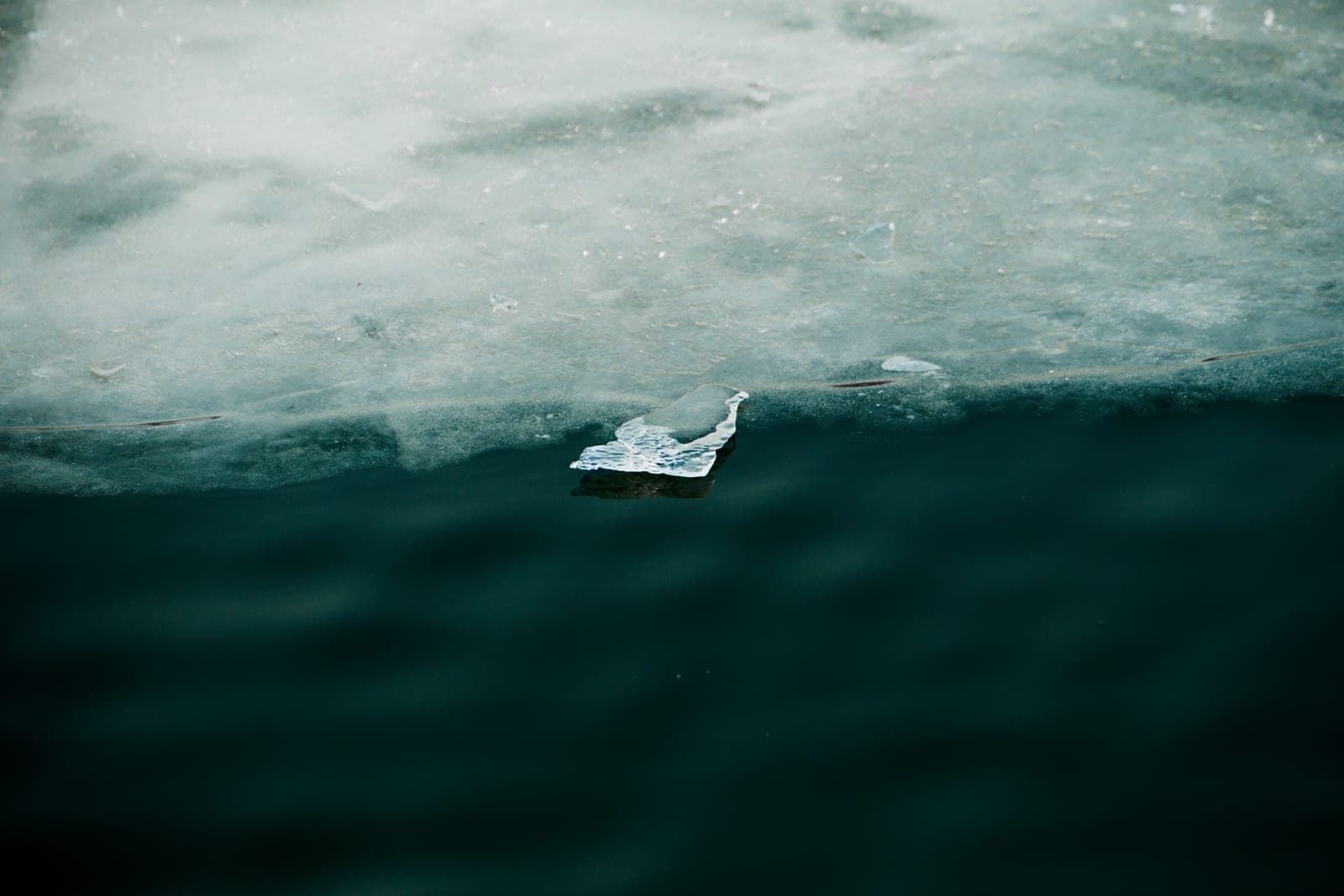
Ice doesn't affect every duck the same way. Per Ducks Unlimited, diving ducks and sea ducks that depend on open water take the hardest hit once it freezes over, since they can't feed in a dry field the way a mallard or pintail can. The source points to the 2013-2014 winter as an example: waterfowl "attempted to overwinter on the Great Lakes found themselves locked out of essentially all foraging areas by late February due to the unrelenting winter." The practical version of that for a late-season hunter is that open water becomes the whole game: birds concentrate on whatever stretch hasn't iced over, which usually means fewer, more pressured spots holding most of the remaining ducks in an area, and a longer, colder sit once you find one of them.
That concentration effect is also why gear that keeps you warm enough to stay put matters more late in the season than gear that's light enough to walk a long way. A hunter who has to break down and move sites twice a morning because their feet went numb is giving up the advantage of having found where the birds actually are.
Waders and boots for ice-edge water
The gap between a wader rated for October and one built for standing at the edge of ice is almost entirely insulation: neoprene thickness, boot lining weight, and whether the maker publishes a cold-weather comfort range at all. See best insulated waders for the full lineup; the two picks below sit at the warm end of it, one breathable and one straight neoprene.
Insulation for standing still in the cold
Late season is mostly about sitting or standing motionless for long stretches, which is harder on the body than the walking-in cold of earlier months. See best duck hunting jackets and best waterfowl hunting gloves for the full lineups; these three are built specifically around late-season stillness rather than early-season mobility.
Keeping the dog safe once the water gets cold
Cold water is harder on a working dog than it is on the hunter standing beside it. Per the Maryland Department of Natural Resources, hypothermia in a hunting dog develops in stages: it starts with "uncontrolled shivering" and lethargy, progresses to a loss of shivering ability with staggering and clumsiness, and its most serious stage brings unconsciousness and breathing difficulty requiring immediate veterinary care. The same source notes that dangerous conditions don't require extreme cold: "light wind, 55 degree water and 40 degree air temperature" are enough to trigger it. Ducks Unlimited's cold-weather retriever care guide adds that frostbite is a separate risk in these conditions, warning that "pale skin" on a dog's toes, ears, tail or scrotum is a telltale sign, and recommends clearing ice and caked mud from a dog's paws between retrieves. See cold-weather duck dog care for the full breakdown of symptoms and prevention.
See best duck dog vests for the full range of neoprene weights and flotation options beyond this one pick.
Check your state
This page doesn't state a season date, a bag limit or a shooting hour. Late season still runs inside your state's regular-season framework, so confirm the current closing date and any late-season-specific rules with your state wildlife agency before you hunt.
Situation notes: neoprene, breathable, and the boat vs. the pit
The choice between the tailored breathable wader and the straight neoprene wader above comes down to how you're actually hunting. A breathable wader with a published insulation weight, like the Black Label Elite above, fits closer to the body and layers more easily under a jacket for a boat blind or a pit where you're moving in and out of a seat; the tradeoff is a higher price for that fit control. A straight 5mm neoprene wader is simpler and often more forgiving of a rougher entry and exit, walking a bank, climbing in and out of a boat, at the cost of being bulkier under a jacket. Neither is wrong; see neoprene vs. breathable waders for the full tradeoff beyond just these two picks.
The dog parka above is built around cold-water retrieves specifically, boat or blind work where a dog goes in and out of the water repeatedly. A dog that's mostly working a dry field edge in the cold, rather than swimming retrieves, is better served by a vest built for warmth on land; see best duck dog vests for that broader range.
Who should skip this kit
Skip this kit if your season doesn't genuinely run into freezing conditions, plenty of southern latitudes never see ice edge into the water at all, in which case the mid-weight picks on best duck hunting waders and best duck hunting jackets are a better starting point than the warmest end of the lineup here. Skip it too if you're still in the early part of the season: the light, packable gear in early-season teal gear is a better fit for warm water than anything built around ice.
How we picked
Scored on paper, and we say so
Most gear sites say they tested everything. We didn't test these, and we say so. Every pick is scored from the maker's published specs, manuals and warranty terms on a rubric we publish, and the sources are listed at the bottom of the page.
Scores are editorial judgments from that published information, not field or lab results. Nobody pays for placement, and an unpublished spec is never guessed upward. See every rubric and weight.
Waders rubric
- Waterproof construction
- 25%
- Warmth
- 20%
- Fit range
- 20%
- Boot
- 20%
- Warranty & repair
- 15%
Jackets, gloves, boots & layers rubric
- Waterproof & windproof spec
- 25%
- Insulation spec
- 25%
- Waterfowl-specific features
- 20%
- Dexterity & fit range
- 15%
- Warranty
- 15%
Retriever gear rubric
- Fit & adjustability range
- 25%
- Protection spec
- 25%
- Safety features
- 20%
- Durability
- 15%
- Warranty
- 15%
FAQ
Questions hunters ask
What makes late-season duck hunting gear different from early or regular season?
How cold does it need to be before a duck dog is at risk of hypothermia?
Do I need a different wader for late season than for the rest of the year?
How do you hide a layout blind once the ground turns to snow?
Is late season still part of the regular duck season?
Related
Keep reading
- Best insulated wadersThe full warmest-wader lineup.
- Cold-weather duck dog careHypothermia signs and prevention in full.
- How to hide a layout blindConcealment once cover changes with the season.
- Early-season teal gearThe opposite end of the season: warm water, light gear.
- Waterfowl hunting season guideHow early, regular and late season fit together.
Update log
What changed
- First published.
Receipts
Sources
- 1.Ducks Unlimited: Understanding Waterfowl, Winter Weather and Waterfowl (accessed Sep 19, 2026)
- 2.Maryland Department of Natural Resources: Preventing Hypothermia in Your Hunting Dog (accessed Sep 19, 2026)
- 3.Ducks Unlimited: Cold Weather Retriever Care Tips for Hunters (accessed Sep 19, 2026)
- 4.U.S. Fish and Wildlife Service: Adaptive Harvest Management (accessed Sep 19, 2026)
We don't field-test decoys, calls, waders or blinds, and we don't pretend to. Specs, materials and warranty terms come from the maker's own pages and manuals (or a named retailer's listing where the maker doesn't publish them). Regulations are linked to the agency that writes them. Prices are set by Amazon and change often, so we don't print them. Where a figure isn't published, we say so. Read the full method.