Calls
Duck Calls & Goose Calls
Single reed or double, acrylic or wood, short reed or flute: what each design does and which call fits how you hunt.
8 pages in this section · How we score
We may earn a commission when you buy through links on this page, at no extra cost to you. It never decides the ranking: the scoring method is published. How we're funded
Start here
Read this first

Guide
How to Blow a Duck Call
Hand position, mouth seal, diaphragm breathing and the basic quack, with picks for a beginner-friendly call to practice on.
Read itFeatured pick Buck Gardner Mallard Magic Double Reed Duck Call
#ad · Price set by Amazon · Affiliate disclosure for the link to Buck Gardner Mallard Magic Double Reed Duck Call
Best picks
Ranked picks
Best picks
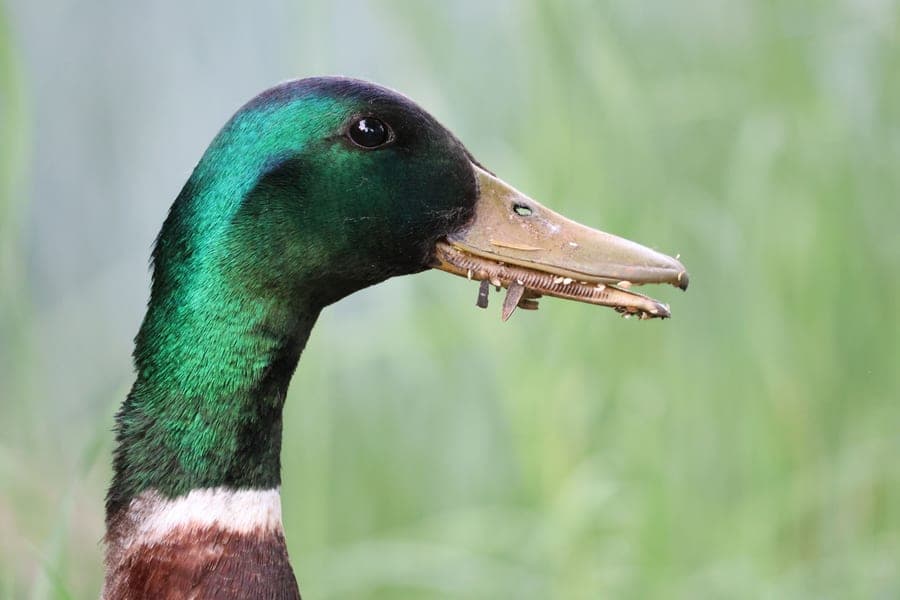
Best duck calls
Duck call picks scored on reed system, build and warranty support, spanning single reed and double reed calls for mallards and puddle ducks.
Top pick Buck Gardner Mallard Magic Double Reed Duck Call7 picks ranked
Check price on Amazon#ad · Price set by Amazon · Affiliate disclosure for the link to Buck Gardner Mallard Magic Double Reed Duck Call
Best picks
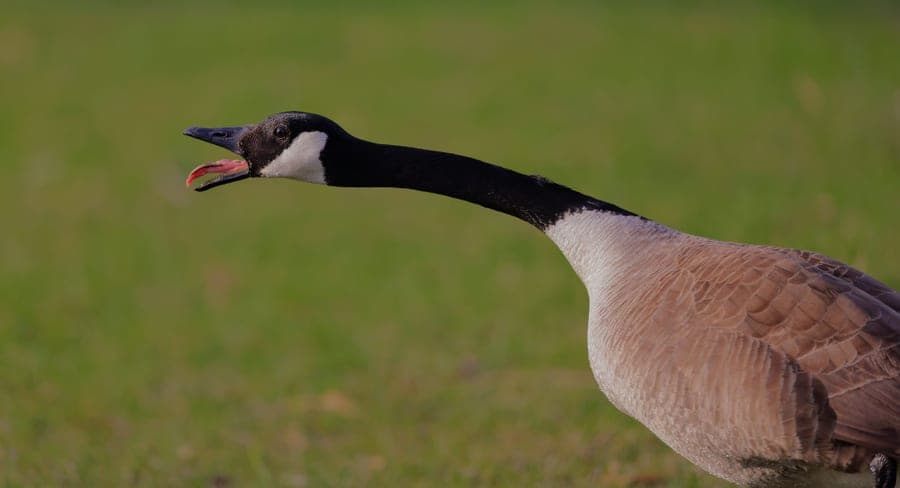
Best goose calls
Goose call picks scored on reed system, build and warranty support, from beginner-friendly short reeds to an all-season acrylic Canada call.
Top pick RNT G3 Acrylic Canada Goose Call7 picks ranked
Check price on Amazon#ad · Price set by Amazon · Affiliate disclosure for the link to RNT G3 Acrylic Canada Goose Call
Best picks
Best beginner duck calls
Duck calls their own makers market as beginner-friendly or introductory, mostly double reeds plus one single reed built for new callers.
Top pick Buck Gardner Mallard Magic Double Reed Duck Call6 picks ranked
Check price on Amazon#ad · Price set by Amazon · Affiliate disclosure for the link to Buck Gardner Mallard Magic Double Reed Duck Call
What to buy first
Buy one call that matches what you actually hunt, and buy it to learn on rather than to impress anyone at the boat ramp. If you hunt ducks, that means a double reed: makers design double reeds to take less air control than a single reed, and several calls in our best duck calls for beginners roundup are built specifically for that first season. If you hunt Canada geese, the equivalent starting point is a short reed with a published ease-of-blowing claim from its maker, covered in best goose calls. Only after you can run that first call confidently does it make sense to add a second, more specialized one, whether that's a louder single reed for open water or a short reed built for experienced callers.
How duck and goose calls divide
Duck calls split first by reed system, single reed versus double reed, and second by barrel material, typically acrylic, polycarbonate or wood. Our single reed vs double reed comparison and acrylic vs wood comparison walk through both decisions using calls that are otherwise similar, so the material or reed system is the only thing changing.
Goose calls for Canada geese are almost always short reeds, run with two hands instead of one, and separated more by the maker's tuning and warranty support than by barrel material. A third category, electronic callers, is not a general-purpose option at all: federal law prohibits recorded or electrically amplified calls for migratory birds outside two narrow, specific exceptions (see electronic caller laws for what 50 CFR 20.21(g) actually says). That rules an e-caller out for a normal duck or goose hunt, full stop.
What actually decides the choice
Once you know single vs double reed, or which short reed to start on, three published details separate the calls within each group: the maker's own ease-of-learning claim, the barrel material and its behavior in wet or freezing weather, and whether the maker backs the call with a warranty and a tuning service. That last point is a bigger gap than it looks. A small number of makers, RNT and Buck Gardner among them, publish a lifetime warranty and free retuning for the life of the call and sell matching reed kits; several other well-regarded makers on this site publish no warranty length or tuning service at all for a given model. That does not make those calls worse to blow, but it does mean you are on your own if a reed needs replacing two seasons in. Every roundup and comparison on this hub says plainly which calls carry that support and which don't, and every score comes from the maker's own spec sheet, manual or warranty page, not from us blowing the calls ourselves.
The mistake buyers make
The most common mistake is buying the loudest, most expensive single reed or short reed available before building the air control to run it, then blaming the call when it squeaks or sounds nothing like a duck or goose. A double reed, or an easy-blowing short reed, isn't a lesser call; it's the tool that lets you practice the actual skill, covered step by step in how to blow a duck call. The second-most-common mistake is assuming an electronic caller is fair game because it's legal somewhere: it is legal only during a light-goose-only conservation order or a narrow, state-opted-in September Canada goose window, never for a regular duck or goose season, and never as a blanket rule across states.
Comparisons
Head to head
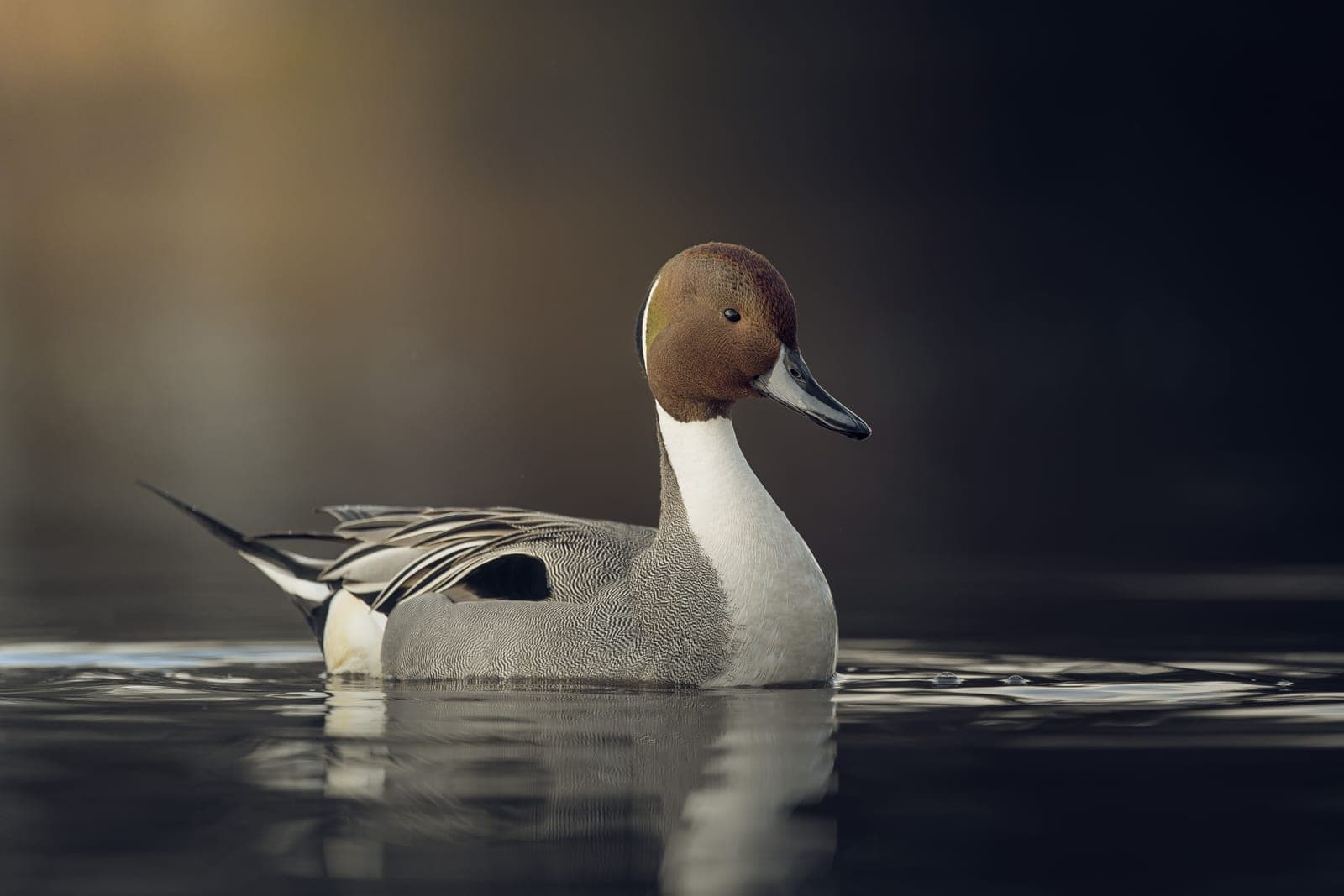
Comparison
Single vs double reed
Double reed and single reed duck calls compared on learning curve, volume and tuning support, with picks for each side.
Featured pick Buck Gardner Mallard Magic Double Reed Duck Call
Check price on Amazon#ad · Price set by Amazon · Affiliate disclosure for the link to Buck Gardner Mallard Magic Double Reed Duck Call
Comparison
Acrylic vs wood calls
Acrylic and wood duck call barrels compared on tone, weather consistency and warranty coverage, including the same call made both ways.
Featured pick RNT Daisy Cutter Acrylic Single Reed Duck Call
Check price on Amazon#ad · Price set by Amazon · Affiliate disclosure for the link to RNT Daisy Cutter Acrylic Single Reed Duck Call
Guides
Know before you buy
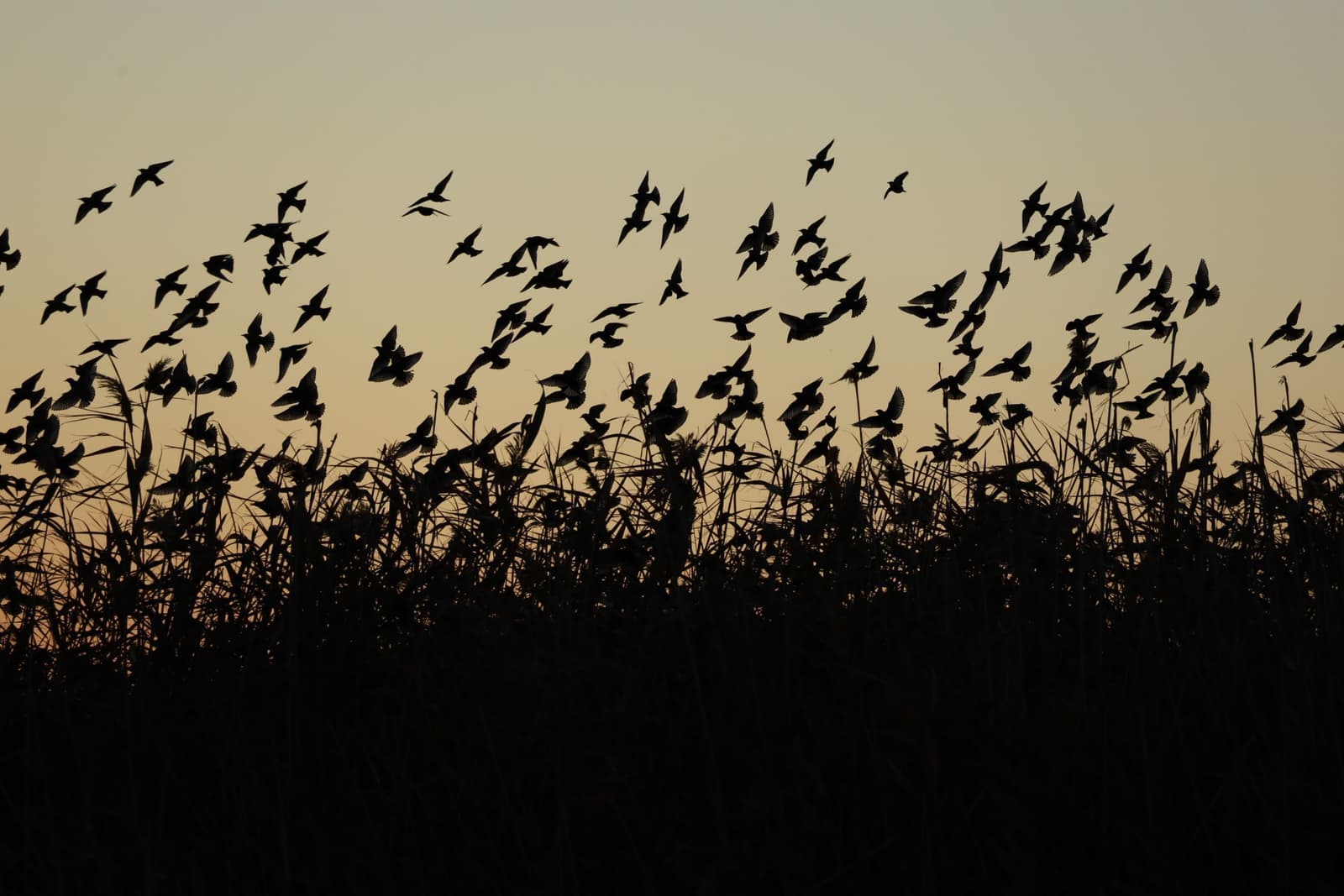
Guide
How to blow a goose call
Hand position, air speed and the cluck-honk-moan progression for a short reed goose call, with picks for an easy-blowing first call.
Featured pick Sean Mann Express Shorty Canada Goose Call
Check price on Amazon#ad · Price set by Amazon · Affiliate disclosure for the link to Sean Mann Express Shorty Canada Goose Call
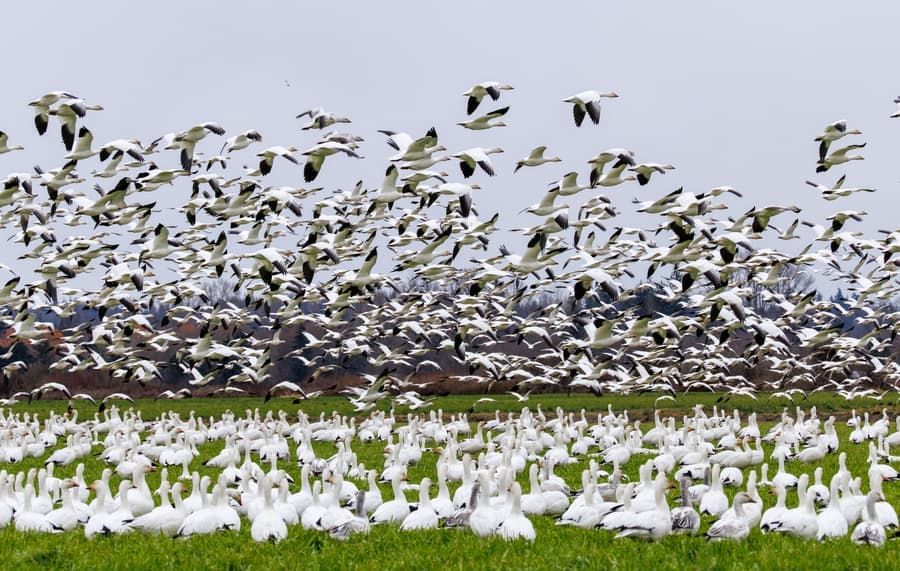
Guide
Electronic caller laws
What 50 CFR 20.21(g) actually says about electronic and recorded calls, the two federal exceptions, and where an e-caller is legal to use.
Featured pick FOXPRO Snow Pro Electronic Snow Goose Caller
Check price on Amazon#ad · Price set by Amazon · Affiliate disclosure for the link to FOXPRO Snow Pro Electronic Snow Goose Caller
FAQ
Questions hunters ask
What's the difference between a duck call and a goose call?
Should I learn on a single reed or a double reed?
Are electronic duck or goose calls legal?
Do duck and goose calls need to be tuned?
How many calls does a waterfowl hunter actually need?
Ask us
Hunting a situation we haven't covered?
Tell us the water, the birds and the part of the season. Reader questions decide what we research next. Email mike@blackironathletics.com or use the contact form.