Kits by Season & Flyway Kit
Gear for Atlantic Flyway Ducks
Seventeen states from Connecticut to West Virginia share one thing the rest of the country doesn't: open bays and sea ducks instead of flooded corn. Here's what that changes about the kit.
We may earn a commission when you buy through links on this page, at no extra cost to you. It never decides the ranking: the scoring method is published. How we're funded
The Atlantic Flyway
Per Ducks Unlimited, the Atlantic Flyway covers Connecticut, Delaware, Florida, Georgia, Maine, Maryland, Massachusetts, New Hampshire, New Jersey, New York, North Carolina, Pennsylvania, Rhode Island, South Carolina, Vermont, Virginia and West Virginia, along with five Canadian provinces (Newfoundland, New Brunswick, Nova Scotia, Ontario and Prince Edward Island), Quebec and the territory of Nunavut. DU calls it "the most densely populated of the four flyways," which is part of why so much of its best water sits behind a boat ramp rather than a gravel road.
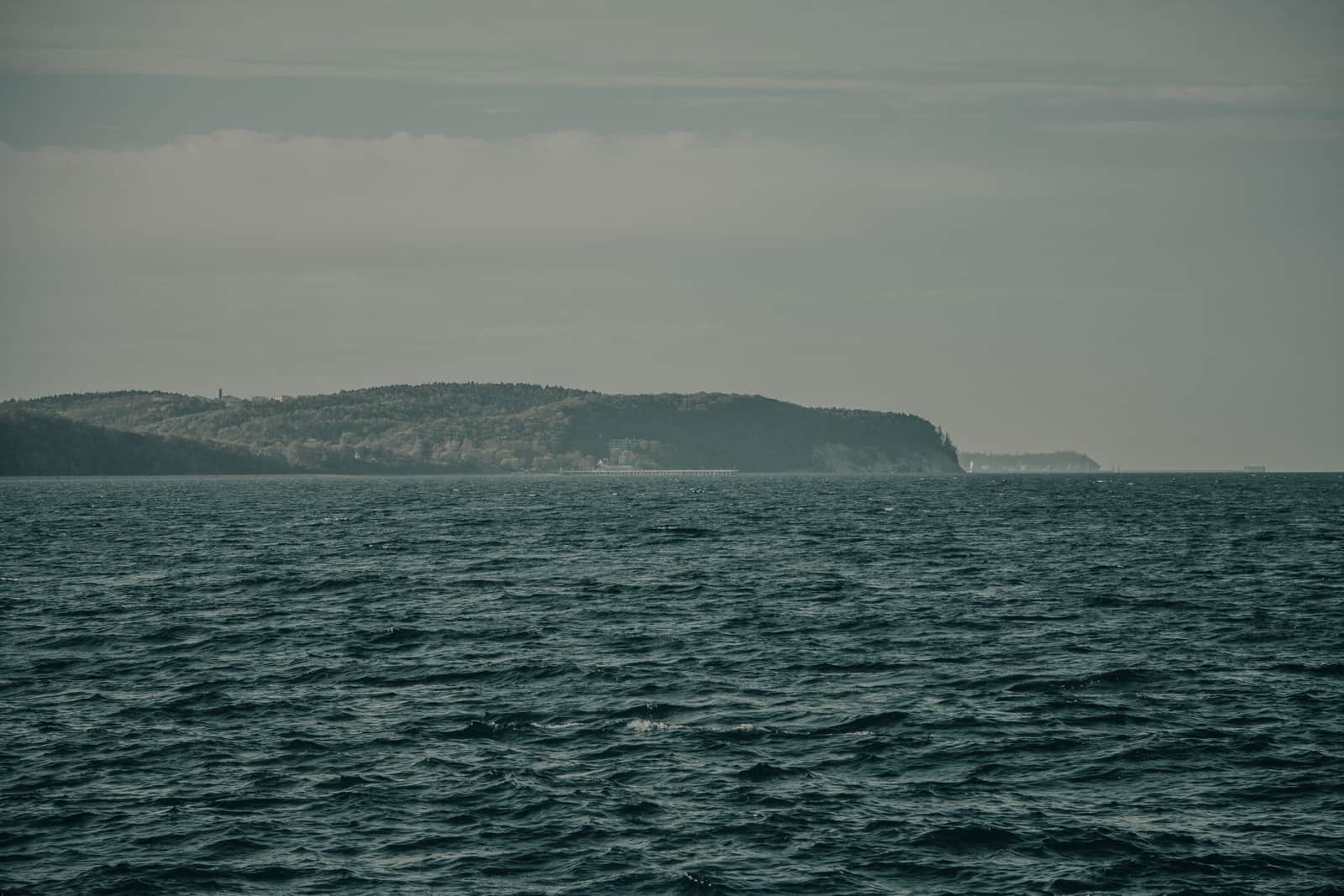
That water is the story. Per Ducks Unlimited, the flyway's bays and estuaries hold "tidal and riverine freshwater and brackish emergent marshes" that serve as "sheltered resting areas for wintering ducks and geese," and large rafts of scoters gather "off the shoals of Nantucket and Cape Cod." Greater scaup and bufflehead are significant flyway species, with the New York Bight alone holding roughly a quarter of the flyway's wintering buffleheads and about a third of its wintering American black ducks. Chesapeake Bay adds canvasbacks, redheads and scaup on top of sea ducks like scoters and long-tailed ducks. Atlantic brant are their own specialty: per Ducks Unlimited, they winter "in coastal areas from about Massachusetts to North Carolina" and the Atlantic Flyway accounts for 60 to 70 percent of the total U.S. brant harvest. None of that is a spread you build around a dozen mallard floaters. See duck decoy spreads for how spread size and layout change with water type, and how many duck decoys you need before you buy a rig sized for a farm pond.
That density cuts both ways for a hunter. Per Ducks Unlimited, the region's estuaries historically offered "abundant SAV and animal foods (including clams, snails and other invertebrates)" that concentrated diving ducks predictably, but the same coastline carries the country's heaviest development pressure. DU counts almost 500,000 acres of Atlantic Flyway waterfowl habitat conserved to date, which is real progress but a small fraction of what's under pressure from the Chesapeake to the Gulf of Maine. Practically, that means public bay access is often tide- and permit-dependent rather than a matter of parking at a boat ramp and walking in, and it's a bigger reason than gear choice for why local scouting matters more here than a generic spread list.
Decoys and rigging for open bays
Diver and sea duck decoys have to read from farther off than puddle-duck decoys in a pothole, because Atlantic bay water is bigger and the birds are more used to working open rafts. A bluebill-specific six-pack reads truer to a scaup or ringneck raft than a generic duck decoy repainted, and a mixed diver pack covers more species without doubling your cost. Carrying that rig matters too: a long walk-in bag built for three dozen decoys is worth more on a bay-front point than a 12-slot bag sized for a farm pond. See our best duck decoys and best decoy bags for the full field, and Avian-X vs. Dakota Decoys if you're choosing between the two brands below.
A call for black ducks and wind
Coastal marsh hunting means calling into wind off open water more often than calling into still timber, and it means rain more often than a dry field does. A double reed built to keep working wet is worth more here than a single reed tuned for a calm morning. See our best duck calls and single reed vs. double reed if you're deciding which style to learn first.
A blind that floats
A layout blind built for a stubble field does nothing for you on a bay. Atlantic Flyway hunters working open water from a jon boat or skiff need a blind that clamps to the gunnels, not one that stakes into ground, and that comes off again fast when the tide turns and it's time to move. See our best A-frame and boat blinds and types of duck blinds for how boat blinds compare to layout and pit setups.
Staying dry on open water
Wind off open water cuts differently than still marsh air, and rigging a diver spread means reaching into cold water past your elbow more mornings than not. A tailored, sealed-seam wader and a gauntlet-length glove earn their place here more than on a small pothole. See our best duck hunting waders, best waterfowl hunting gloves and neoprene vs. breathable waders for the tradeoffs.
A dog built for the boat
A retriever working Atlantic bays swims longer, colder retrieves than one working a farm pond, and spends more of the morning in a boat than in a field blind. A cold-water parka with real carry handles matters more here than a field vest with brush protection. See our best duck dog vests.
The spring conservation order: greater snow geese
The rest of the Atlantic Flyway's season runs on the same federal-framework-plus-state-dates structure every flyway uses; see how the waterfowl season is structured for how the early, regular and late phases fit together. Blue-winged teal push through Atlantic marshes ahead of the main flight the same as anywhere else, so early-season teal gear still applies, and the flyway's bays ice at the edges the same as inland water does, which is where late-season duck hunting gear picks up. Nothing here states a date, a bag limit or a shooting hour for any species; check your state wildlife agency and the U.S. Fish and Wildlife Service Migratory Bird Program for the current framework.
How we picked
Scored on paper, and we say so
Most gear sites say they tested everything. We didn't test these, and we say so. Every pick is scored from the maker's published specs, manuals and warranty terms on a rubric we publish, and the sources are listed at the bottom of the page.
Scores are editorial judgments from that published information, not field or lab results. Nobody pays for placement, and an unpublished spec is never guessed upward. See every rubric and weight.
Duck & goose decoys rubric
- Realism features
- 25%
- Durability & construction
- 25%
- Rigging & motion options
- 15%
- Packability & weight
- 20%
- Warranty & parts
- 15%
Decoy & blind bags rubric
- Capacity & compartments
- 30%
- Material & waterproofing
- 25%
- Carry system
- 25%
- Durability & warranty
- 20%
Duck & goose calls rubric
- Reed system & ease of learning
- 30%
- Material & build
- 20%
- Tunability & serviceability
- 20%
- Sound range (maker's claim)
- 15%
- Warranty
- 15%
Layout & A-frame blinds rubric
- Concealment features
- 30%
- Comfort
- 20%
- Weight & portability
- 20%
- Door & visibility design
- 15%
- Warranty
- 15%
Waders rubric
- Waterproof construction
- 25%
- Warmth
- 20%
- Fit range
- 20%
- Boot
- 20%
- Warranty & repair
- 15%
Jackets, gloves, boots & layers rubric
- Waterproof & windproof spec
- 25%
- Insulation spec
- 25%
- Waterfowl-specific features
- 20%
- Dexterity & fit range
- 15%
- Warranty
- 15%
Retriever gear rubric
- Fit & adjustability range
- 25%
- Protection spec
- 25%
- Safety features
- 20%
- Durability
- 15%
- Warranty
- 15%
FAQ
Questions hunters ask
What states are in the Atlantic Flyway?
What ducks do Atlantic Flyway hunters mostly decoy?
Can I hunt light geese during the spring conservation order in the Atlantic Flyway?
Are electronic duck calls legal in the Atlantic Flyway?
How is Atlantic Flyway gear different from the Mississippi or Central Flyways?
Related
Keep reading
- How the waterfowl season is structuredThe federal framework and season phases, explained.
- Spring snow goose gearThe conservation order, geared up.
- Best duck decoysThe full field, including divers.
- Best duck hunting wadersCold-water wader picks in full.
- Best duck dog vestsMore cold-water options for the dog.
Update log
What changed
- First published.
Receipts
Sources
- 1.Ducks Unlimited: The Atlantic Flyway (accessed Sep 19, 2026)
- 2.Ducks Unlimited: Atlantic Coast conservation plan (accessed Sep 19, 2026)
- 3.Ducks Unlimited: Brant (accessed Sep 19, 2026)
- 4.Cornell Law School Legal Information Institute: 50 CFR 21.180, Conservation order for light geese (accessed Sep 19, 2026)
- 5.Cornell Law School Legal Information Institute: 50 CFR 20.21, Prohibited methods (accessed Sep 19, 2026)
- 6.U.S. Fish and Wildlife Service: Migratory Bird Program Administrative Flyways (accessed Sep 19, 2026)
We don't field-test decoys, calls, waders or blinds, and we don't pretend to. Specs, materials and warranty terms come from the maker's own pages and manuals (or a named retailer's listing where the maker doesn't publish them). Regulations are linked to the agency that writes them. Prices are set by Amazon and change often, so we don't print them. Where a figure isn't published, we say so. Read the full method.