Waders & layering
Waders, Boots & Cold-Weather Layers for Waterfowl
One clothing system, from the wader boot up: what keeps you dry, what keeps you warm, and what to wear under it all.
11 pages in this section · How we score
We may earn a commission when you buy through links on this page, at no extra cost to you. It never decides the ranking: the scoring method is published. How we're funded
Start here
Read this first
Guide
What to Wear Duck Hunting: Layering by Season
The base, mid, insulating and shell layering system for duck hunting, sourced from cold-weather clothing guidance, with a pick for each layer.
Read itFeatured pick Smartwool Men's Classic Thermal Merino Base Layer Crew
#ad · Price set by Amazon · Affiliate disclosure for the link to Smartwool Men's Classic Thermal Merino Base Layer Crew
Best picks
Ranked picks
Best picks
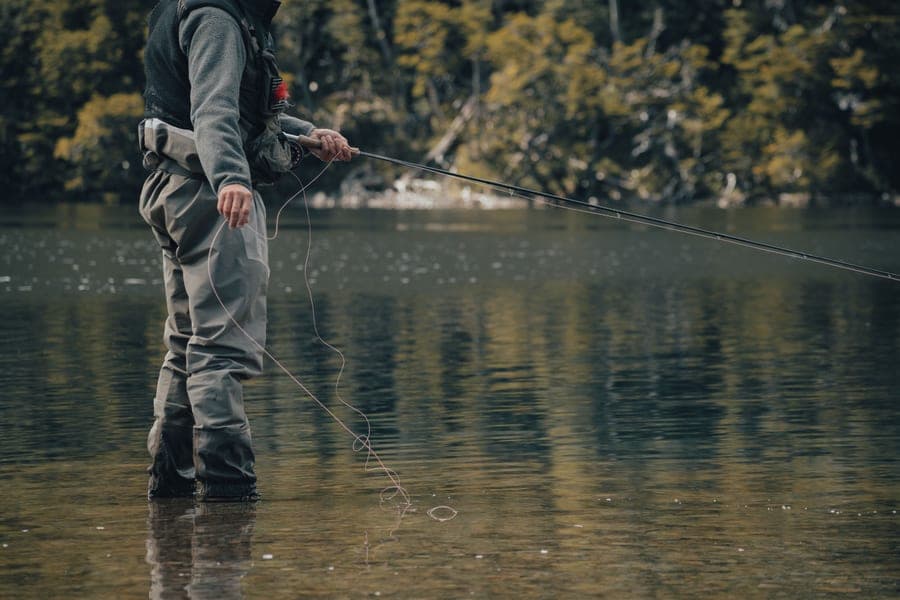
Best duck hunting waders
Neoprene and breathable chest waders scored on waterproofing, warmth, fit range and boot insulation from published spec sheets. We don't test gear ourselves.
Top pick Drake Buckshot Eqwader 1600 Neoprene Wader 3.08 picks ranked
Check price on Amazon#ad · Price set by Amazon · Affiliate disclosure for the link to Drake Buckshot Eqwader 1600 Neoprene Wader 3.0

Best picks
Best women's waders
Women-specific chest waders scored on published fit, warmth and boot sizing, an honestly narrow field compared to men's waders.
Top pick Gator Waders Women's Shield Insulated Waders4 picks ranked
Check price on Amazon#ad · Price set by Amazon · Affiliate disclosure for the link to Gator Waders Women's Shield Insulated Waders

Best picks
Best insulated waders
Chest waders ranked strictly on published insulation grams and neoprene thickness, the warmest field on the site by that measure.
Top pick Banded Black Label Elite Insulated Wader7 picks ranked
Check price on Amazon#ad · Price set by Amazon · Affiliate disclosure for the link to Banded Black Label Elite Insulated Wader

Best picks
Best duck hunting jackets
Waterfowl jackets scored on waterproofing, published insulation weight, waterfowl-specific features and fit range, from rain shells to insulated 3-in-1 systems.
Top pick Banded Calefaction 3-N-1 Insulated Wader Jacket7 picks ranked
Check price on Amazon#ad · Price set by Amazon · Affiliate disclosure for the link to Banded Calefaction 3-N-1 Insulated Wader Jacket
Best picks
Best waterfowl hunting gloves
Waterfowl gloves scored on published waterproofing, insulation weight, waterfowl-specific features and warranty, from neoprene decoy gauntlets to a down lobster mitten.
Top pick Glacier Glove Pro Waterfowler Glove7 picks ranked
Check price on Amazon#ad · Price set by Amazon · Affiliate disclosure for the link to Glacier Glove Pro Waterfowler Glove
Best picks
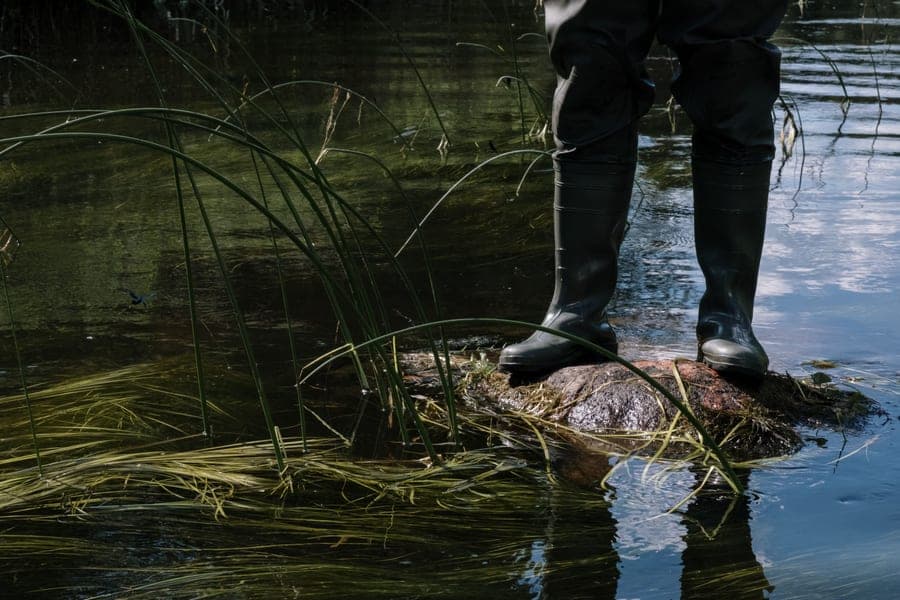
Best duck hunting boots
Knee-high duck hunting boots scored on published insulation weight, boot height, comfort rating and warranty, from a lightweight walk-in boot to a -60°F pair.
Top pick Muck Boot Men's Arctic Pro Insulated Boot7 picks ranked
Check price on Amazon#ad · Price set by Amazon · Affiliate disclosure for the link to Muck Boot Men's Arctic Pro Insulated Boot
What to buy first
A wader comes before anything else on this page. It's the one piece of gear that decides whether you can hunt the water you actually have access to at all, and everything else, a jacket, gloves, boots, base layers, works around it rather than the other way around. Start with best duck hunting waders (or best women's duck hunting waders for a women's-specific fit), then build outward. Our layering guide walks through the base, mid, insulating and shell system that goes on top of a wader, in the order it actually matters.
How the category divides
Everything here splits along three lines. Construction comes first: neoprene builds insulation into the material itself, while a breathable shell moves sweat and body heat out on a long walk and leans on a separate liner or boot for warmth; see neoprene vs breathable waders for the full tradeoff. Water depth comes second: a chest wader is for water over your knees, a hip wader for shallow marsh that never reaches your thigh, and a bib and boots for dry field edges and blinds where you never step in water at all; our waders vs bibs comparison covers all three. Warmth comes third, and it's a spectrum, not a binary: our general best duck hunting waders roundup covers that whole range, while best insulated waders filters strictly down to the heaviest published insulation for the coldest part of the season.
Above the waterline, the same logic carries over to jackets, gloves and boots. A wader-length jacket layers over a wader top without riding up; a pair of waterfowl gloves splits into decoy-rigging gauntlets and dexterous shooting gloves, rarely both in one; and standalone duck hunting boots mostly matter once you're out of a wader, in a stocking-foot design, or on dry ground entirely.
What actually decides the choice
Three published details separate the gear worth buying in every category on this hub: how much insulation a maker actually states in grams of Thinsulate or PrimaLoft (or millimeters of neoprene), how wide a body and boot size range is published, and what warranty, if any, the maker backs the piece with in writing. Those figures vary more than most buyers expect, and not always where you'd guess: several wader makers publish a multi-year warranty, but the same brands often publish none at all for their gloves and boots. Our how we score page lists the full weighted rubric behind every score on this hub, built from manufacturer spec sheets and warranty pages. We rank from published specs and don't test gear ourselves.
Fit matters as much as warmth. A wader that fits wrong leaks at the waist belt or the boot regardless of how many grams of insulation it carries, and boot size, inseam and body cut aren't standardized across brands; see our wader sizing guide before you order.
The mistake buyers make
The most common mistake is buying one heavily insulated setup and expecting it to cover the whole season. The gear that keeps you comfortable in a January pit is too warm and too bulky for a September teal hunt, and the reverse is just as true: a light early-season wader won't hold up once the water gets genuinely cold. The second mistake is underestimating cold water itself. The National Weather Service warns that cold shock can be just as severe from 50-60°F water as from water near freezing, and that incapacitation from cold can set in within minutes, well before a hunter would call the water "too cold." Hands and feet go first: the CDC notes frostbite most often shows up in fingers, toes, ears and the nose, starting as numbness, tingling or waxy, discolored skin, well before it becomes serious. No wader, boot or glove on this hub is a substitute for watching those signs; our guide to staying warm duck hunting covers what to do about both.
Comparisons
Head to head

Comparison
Neoprene vs breathable
Neoprene and breathable waders compared on warmth, mobility and drying time, with published specs and picks for both materials.
Featured pick Drake Buckshot Eqwader 1600 Neoprene Wader 3.0
Check price on Amazon#ad · Price set by Amazon · Affiliate disclosure for the link to Drake Buckshot Eqwader 1600 Neoprene Wader 3.0

Comparison
Waders vs bibs
Chest waders, hip waders and an insulated bib compared by water depth and mobility, with a pick for each situation.
Featured pick Banded Phantom X Breathable Insulated Wader
Check price on Amazon#ad · Price set by Amazon · Affiliate disclosure for the link to Banded Phantom X Breathable Insulated Wader
Guides
Know before you buy

Guide
How to size waders
The measurements that decide wader fit, what stout, king, tall and expandable cuts mean, and where to find each maker's own size chart.
Featured pick Banded Phantom X Breathable Insulated Wader
Check price on Amazon#ad · Price set by Amazon · Affiliate disclosure for the link to Banded Phantom X Breathable Insulated Wader
Guide
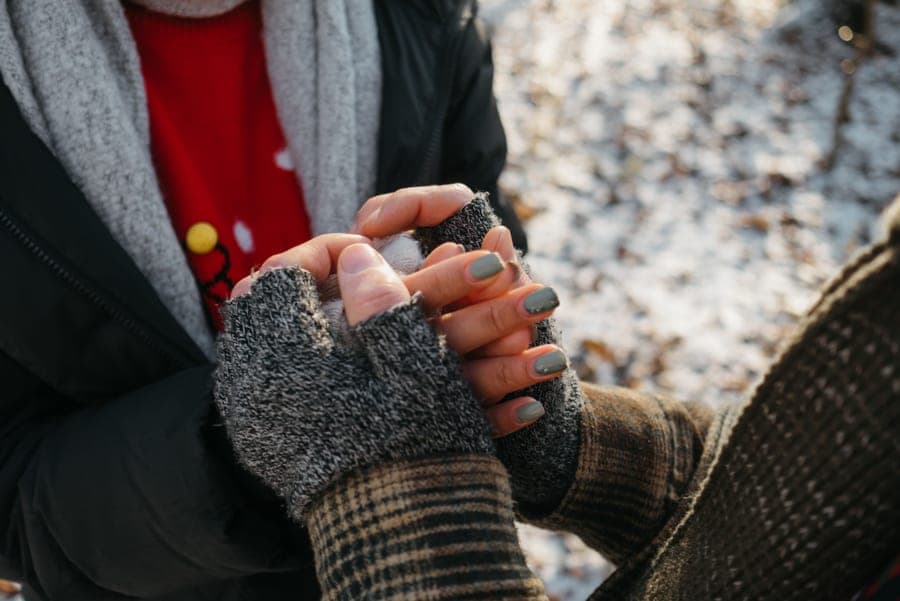
How to stay warm hunting
Sock strategy, boot insulation and hand warmer options for keeping hands and feet warm duck hunting, plus the frostbite warning signs to watch for.
Featured pick Zippo HeatBank 6 Pro Rechargeable Hand Warmer
Check price on Amazon#ad · Price set by Amazon · Affiliate disclosure for the link to Zippo HeatBank 6 Pro Rechargeable Hand Warmer
FAQ
Questions hunters ask
What should I buy first: waders, a jacket, or boots?
Do I need insulated or breathable waders?
How do I know what size waders to buy?
What's the difference between waders and bibs?
How cold does it have to be before I need insulated gear?
Ask us
Hunting a situation we haven't covered?
Tell us the water, the birds and the part of the season. Reader questions decide what we research next. Email mike@blackironathletics.com or use the contact form.