Retriever gear
Gear for the Duck Dog
Neoprene vests, stands that keep a retriever out of the water, dog blinds for the field, and the training gear behind a steady dog.
8 pages in this section · How we score
We may earn a commission when you buy through links on this page, at no extra cost to you. It never decides the ranking: the scoring method is published. How we're funded
Start here
Read this first
Guide
How to Train a Duck Dog
The AKC- and Ducks Unlimited-sourced order for training a duck dog, from basic obedience through marking, steadiness and remote handling.
Read itFeatured pick MOmarsh Home Base Platform
#ad · Price set by Amazon · Affiliate disclosure for the link to MOmarsh Home Base Platform
Best picks
Ranked picks
Best picks
Best dog vests
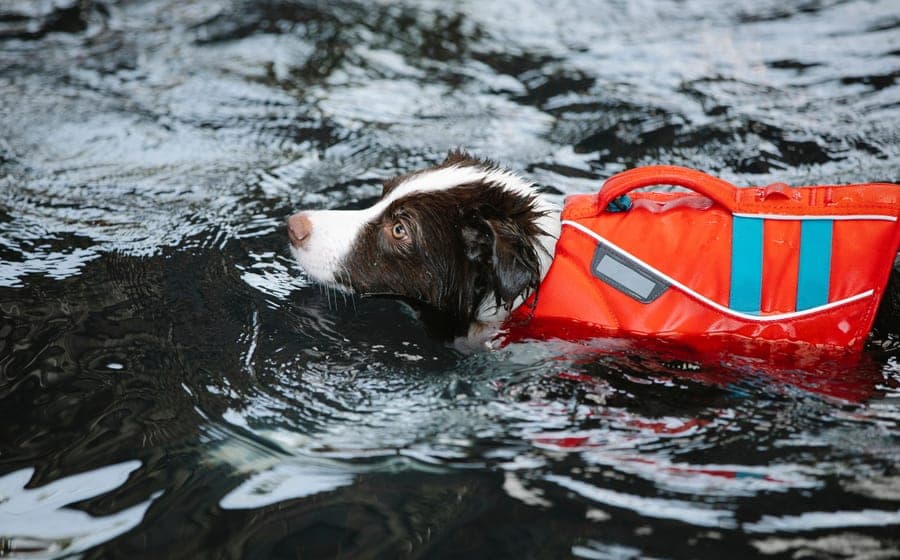
Duck dog vest picks scored on neoprene thickness, published chest charts, flotation claims and warranty terms.
Top pick ALPS OutdoorZ Topflight Dog Vest8 picks ranked
Check price on Amazon#ad · Price set by Amazon · Affiliate disclosure for the link to ALPS OutdoorZ Topflight Dog Vest
Best picks
Best dog stands
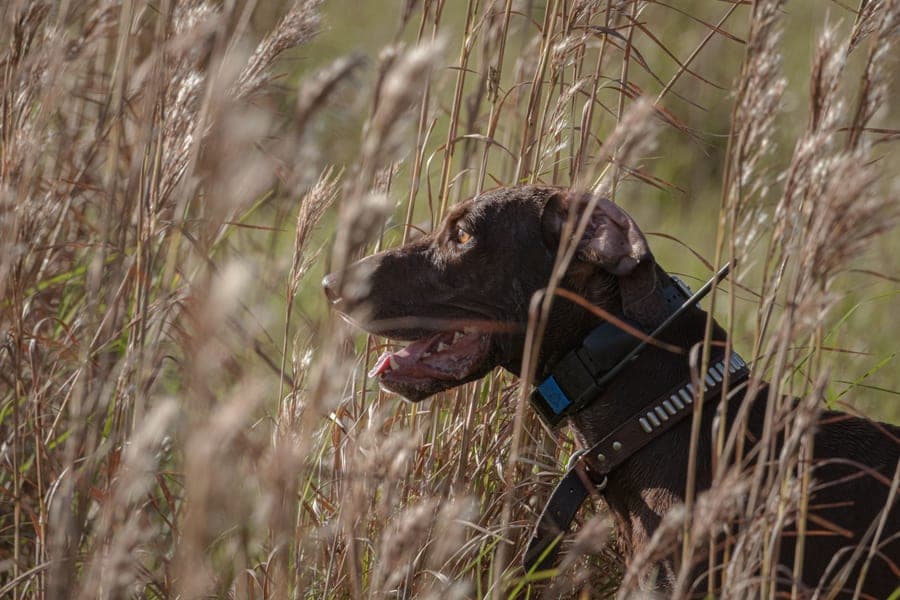
Dog stand picks for duck hunting scored on platform size, height range and published weight capacity, from freestanding legs to a boat-ladder hybrid.
Top pick ALPS OutdoorZ Hybrid Dog Stand5 picks ranked
Check price on Amazon#ad · Price set by Amazon · Affiliate disclosure for the link to ALPS OutdoorZ Hybrid Dog Stand
Best picks
Best dog blinds
Dog blind picks for duck hunting scored on published weight, concealment features and door design, from a sub-5-lb walk-in to elevated water blinds.
Top pick ALPS OutdoorZ Alpha Dog Blind8 picks ranked
Check price on Amazon#ad · Price set by Amazon · Affiliate disclosure for the link to ALPS OutdoorZ Alpha Dog Blind
What to buy first
A duck dog needs three things before anything else: a way to stay warm and, on some models, more buoyant in the water (a vest), somewhere dry to sit between flights (a stand or blind), and training that actually turns retrieving instinct into a dog that holds steady under a gun. If you're outfitting a dog for its first season, start with the vest and with training; a stand or blind matters most once you know what kind of water and cover you actually hunt.
How this category divides
Retriever gear splits along two lines: what the dog wears, and what the dog sits on or hides in. Vests split further into neoprene-first designs (warmth, sometimes with an added flotation claim) and dedicated flotation jackets built as a life vest first; our neoprene vs flotation dog vests comparison covers that split in detail. Stands and blinds split by water type: freestanding legs for a fixed spot, tree-mount or boat-clamp hardware for timber and boat hunts, and ground-level blinds for dry-field walk-ins. Our elevated vs floating dog stands comparison also covers a category we couldn't stock honestly: we found no floating dog platform currently sold on Amazon, and we say so on that page rather than invent one.
Training gear is its own smaller category: bumpers and bird-shaped dummies for marking drills, a place board for steadiness, a whistle for a second command channel, and more advanced tools like a blank-fire dummy launcher and a remote training collar for handling from the blind. None of that gear scores as well on our published rubric as a vest or a stand does, because the rubric weighs fit range, protection spec and safety features that a simple whistle or bumper doesn't publish much about. That's a rubric limitation, not a judgment on whether the tool works; see our how to train a duck dog guide for how each piece fits into an actual training progression.
What actually decides the choice
For a vest, it comes down to your dog's measured chest girth against the maker's own chart, plus how cold the water actually runs where you hunt. Only ALPS, Rig'Em Right and Ruffwear publish their own chest charts among the vests we cover; Avery and Banded's charts come from retailers instead, and Drake publishes none at all, so measuring your own dog matters more than usual here. For a stand or blind, water depth and bottom type (soft mud versus firm ground versus a boat gunnel) narrow the field fast, since a stand rated to 34 inches of leg extension does nothing for you in five feet of water.
Breed matters too, mostly for sizing and coat. Our duck hunting dog breeds guide lays out the chest-size spread across AKC breeds actually developed for waterfowl retrieving, from a compact Nova Scotia Duck Tolling Retriever up to a large Labrador or Chesapeake Bay Retriever, and matches that spread to vest sizing.
The mistake buyers make
Treating a flotation claim as a safety rating is the most common one. Every buoyancy statement on a dog vest page in this category, including the ones we rank highest, is the maker's own description, and none of them publishes a U.S. Coast Guard rating. The second mistake is buying gear before training: a well-fitted vest and a good stand don't make an unsteady dog steady. Our how to train a duck dog guide covers the order that AKC and Ducks Unlimited both build training around, obedience before retrieving, retrieving before steadiness, so gear supports a dog that's already progressing rather than substituting for training it hasn't had.
Cold weather adds a third one: assuming a vest alone prevents hypothermia. Our cold weather duck dog care guide covers the signs a veterinary college and AKC actually publish, and the conditions one maker itself calls dangerous for a dog in the water.
Comparisons
Head to head
Comparison
Neoprene vs flotation
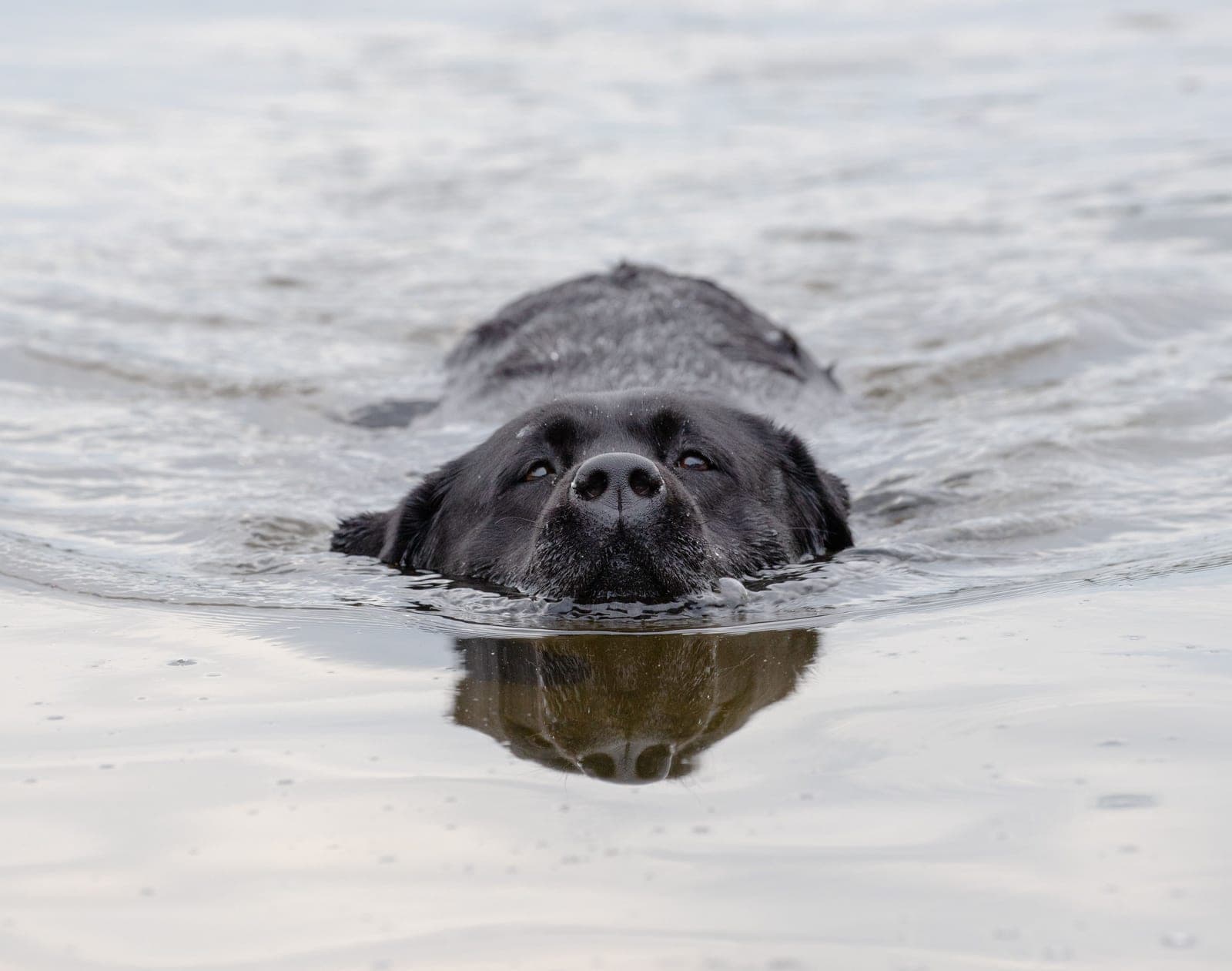
Neoprene and flotation dog vests compared on what each design actually does, with picks for a warmth-first vest, a flotation-first jacket and the middle ground.
Featured pick ALPS OutdoorZ Topflight Dog Vest
Check price on Amazon#ad · Price set by Amazon · Affiliate disclosure for the link to ALPS OutdoorZ Topflight Dog Vest

Comparison
Elevated vs floating stands
Elevated dog stands compared to floating platforms, an honest look at why no floating stand is currently sold on Amazon, with elevated stands and dog blinds as the buyable options.
Featured pick ALPS OutdoorZ Hybrid Dog Stand
Check price on Amazon#ad · Price set by Amazon · Affiliate disclosure for the link to ALPS OutdoorZ Hybrid Dog Stand
Guides
Know before you buy
Guide
Best duck dog breeds
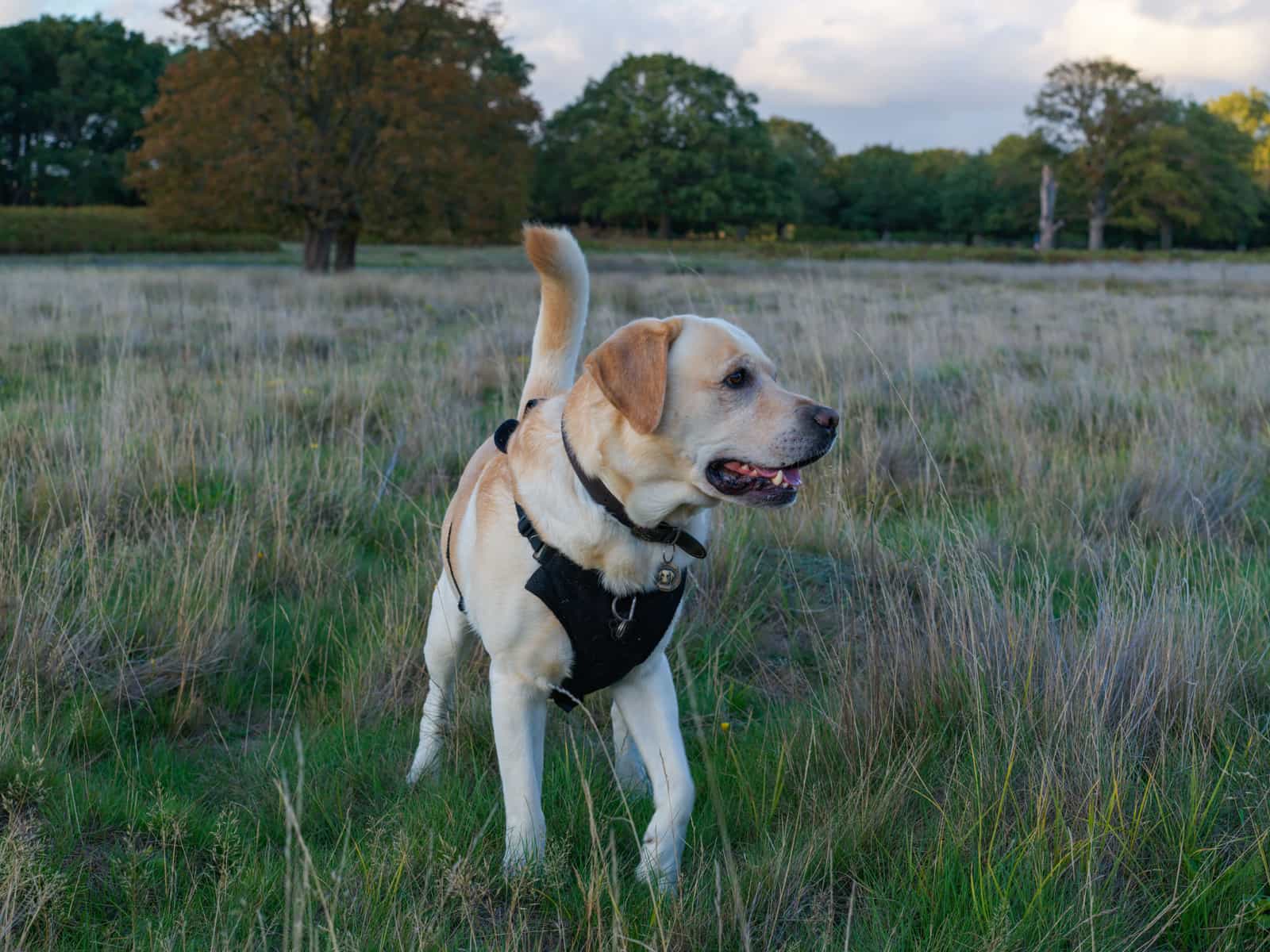
AKC-sourced traits for six waterfowl retrieving breeds, from the Labrador Retriever to the Boykin Spaniel, matched to vest sizing.
Featured pick Ruffwear Float Coat Dog Life Jacket
Check price on Amazon#ad · Price set by Amazon · Affiliate disclosure for the link to Ruffwear Float Coat Dog Life Jacket
Guide
Cold weather dog care
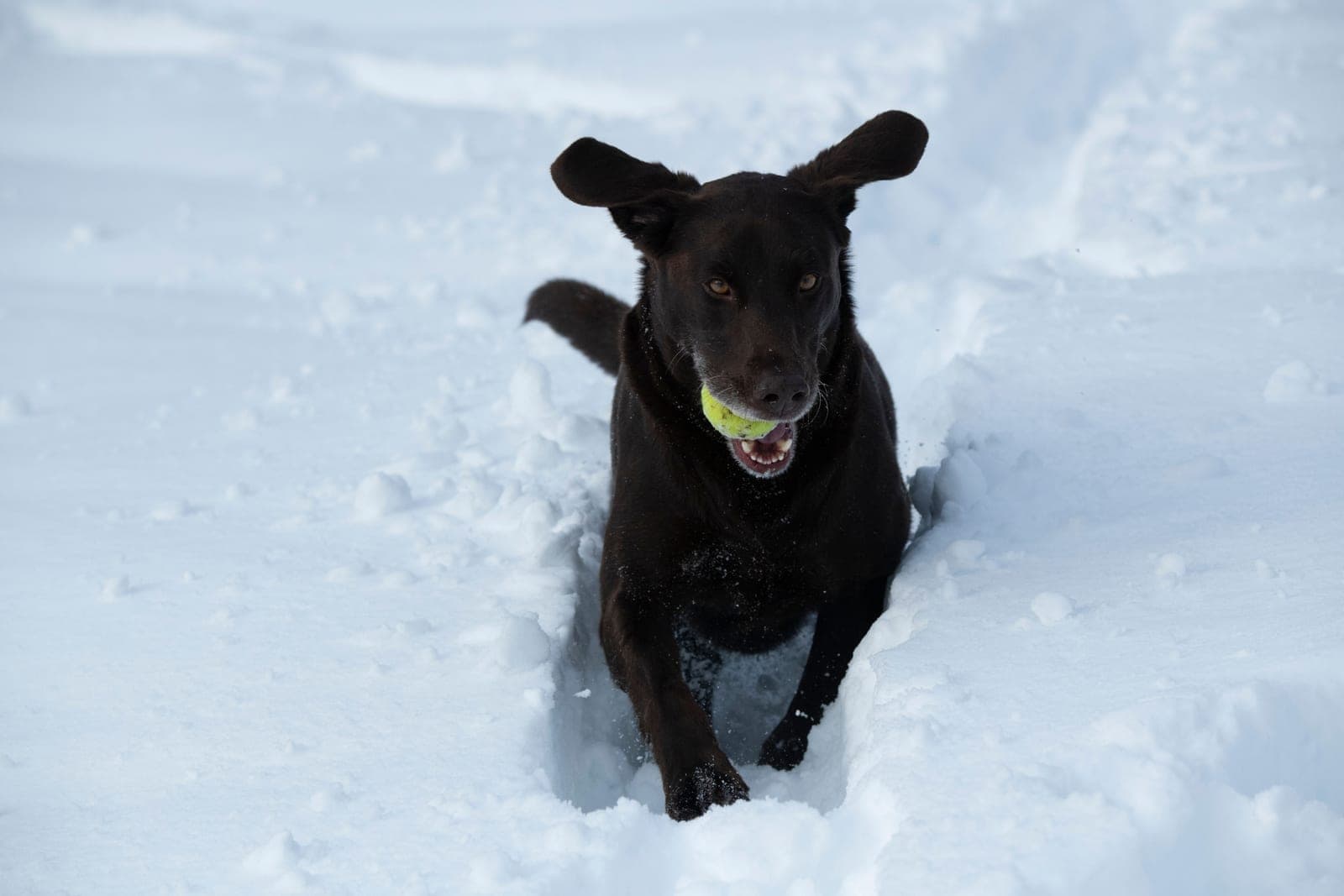
Hypothermia and frostbite signs for hunting dogs, cited to a veterinary college and AKC, plus the vests makers build for cold water.
Featured pick Avery Boater's Dog Parka
Check price on Amazon#ad · Price set by Amazon · Affiliate disclosure for the link to Avery Boater's Dog Parka
FAQ
Questions hunters ask
What's the most important piece of gear for a new duck dog?
Do all duck dogs need a neoprene vest?
Is there a floating platform for a duck dog?
What dog breeds actually make good duck dogs?
Ask us
Hunting a situation we haven't covered?
Tell us the water, the birds and the part of the season. Reader questions decide what we research next. Email mike@blackironathletics.com or use the contact form.