Decoys & spreads
Duck & Goose Decoys, and the Spreads That Use Them
Floaters, full-bodies, silhouettes, motion and the bags that carry them, sorted by the spread you actually run.
10 pages in this section · How we score

We may earn a commission when you buy through links on this page, at no extra cost to you. It never decides the ranking: the scoring method is published. How we're funded
Start here
Read this first

Guide
How to Build a Duck Decoy Spread
How to lay out a duck decoy spread: named patterns, landing-hole placement, rigging for depth and current, and where motion fits.
Read itFeatured pick Rig'Em Right Xtreme Texas Rigs
#ad · Price set by Amazon · Affiliate disclosure for the link to Rig'Em Right Xtreme Texas Rigs
Best picks
Ranked picks
Best picks
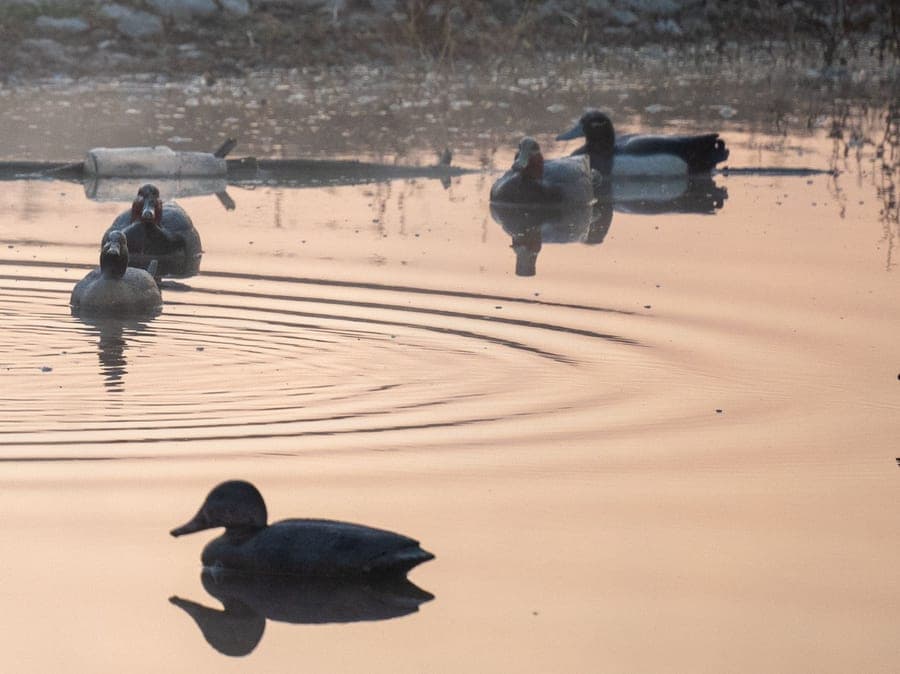
Best duck decoys
Duck decoy picks across mallard, diver and teal packs, scored on realism, durability, packability and warranty as published by each maker.
Top pick Higdon Outdoors Standard Mallards, Foam-Filled (6-Pack)8 picks ranked
Check price on Amazon#ad · Price set by Amazon · Affiliate disclosure for the link to Higdon Outdoors Standard Mallards, Foam-Filled (6-Pack)
Best picks
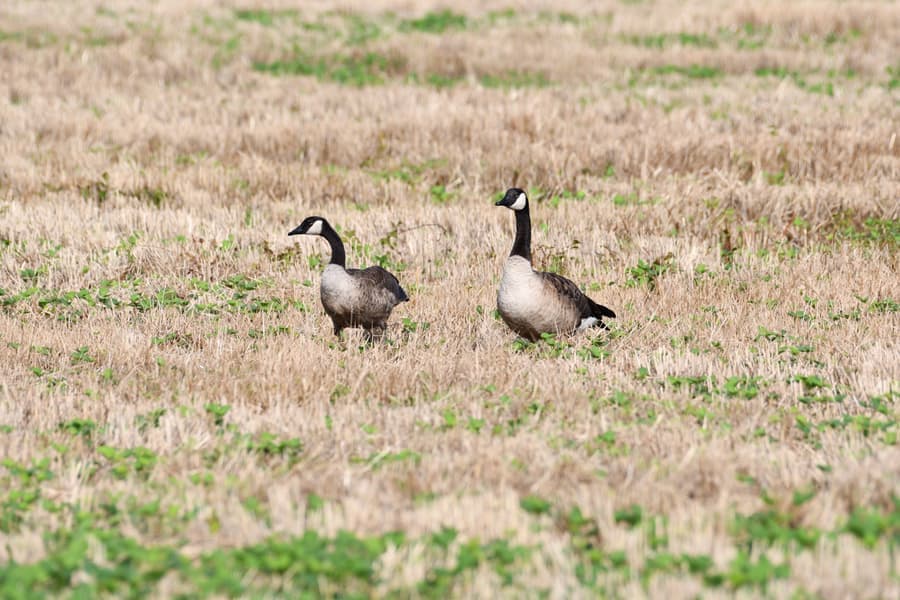
Best goose decoys
Full-body and shell Canada goose decoy picks scored on realism, durability, rigging and warranty as published by each maker.
Top pick Final Approach LIVE Fully Flocked Full Body Lesser Canada Geese (6-Pack)6 picks ranked
Check price on Amazon#ad · Price set by Amazon · Affiliate disclosure for the link to Final Approach LIVE Fully Flocked Full Body Lesser Canada Geese (6-Pack)
Best picks
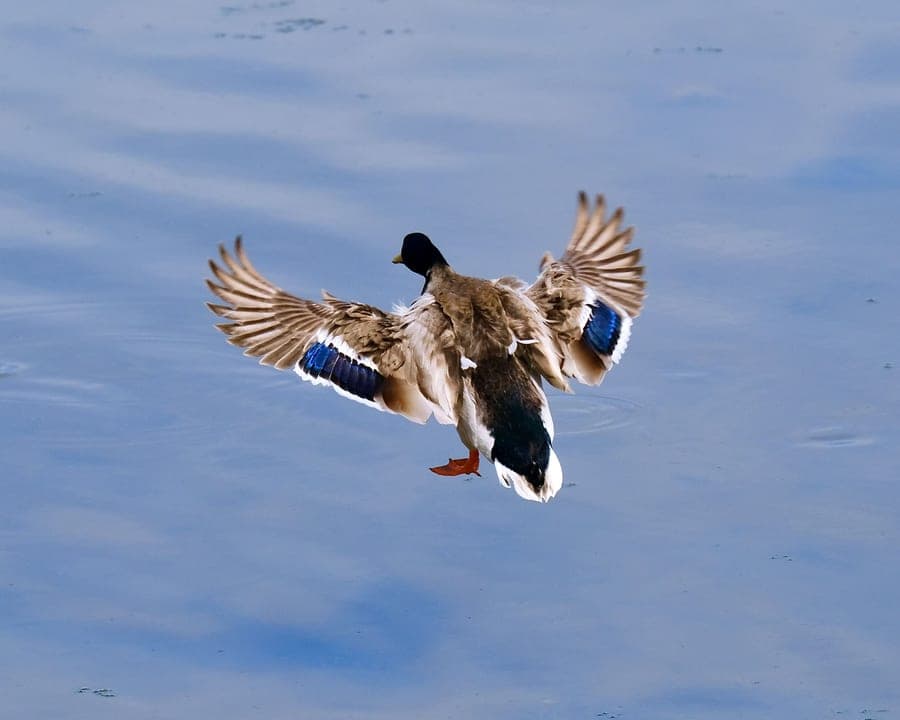
Best motion decoys
Motion decoy picks spanning spinning-wing, water motion, a goose flapper and battery-free jerk rigs, scored on published specs and warranty.
Top pick Higdon Outdoors Pulsator PRO Mallard8 picks ranked
Check price on Amazon#ad · Price set by Amazon · Affiliate disclosure for the link to Higdon Outdoors Pulsator PRO Mallard

Best picks
Best decoy bags
Decoy bag picks ranked on capacity, waterproofing, carry system and warranty as published by each maker.
Top pick Rig'Em Right Long Haul Decoy Bag6 picks ranked
Check price on Amazon#ad · Price set by Amazon · Affiliate disclosure for the link to Rig'Em Right Long Haul Decoy Bag
What to buy first
Start with a core dozen or two matched to the water you actually hunt, not the biggest pack you can find. A general mallard pack with mixed postures covers the most ground for a puddle-duck hunter, while a Canada goose hunter is better off with a small, mixed-posture full-body set than a single large pack of one posture. Add a bag before you add a second dozen; a slotted or backpack-style bag keeps decoys from tangling and makes the walk in tolerable. See best duck decoys, best goose decoys and best decoy bags to start.
How the category divides
Decoys split along a few lines that actually matter when you're buying. Species comes first: duck decoys (mallard, diver, teal) and goose decoys (full-body, shell, silhouette, snow goose) aren't interchangeable, and a spread built for the wrong species reads as obviously fake to working birds. Water type comes next: a floating decoy needs a keel and rigging that a field goose decoy never touches, and a silhouette that stands fine on dry ground has no place on open water. Static versus motion is a separate axis on top of both; see best motion decoys once your static spread is set. Finally, season phase changes both species mix and spread size, which our duck decoy spread guide and goose decoy spread guide both walk through, from early teal-sized spreads to the larger, warier-bird spreads of late season.
What actually decides the choice
Once you've settled on species and water type, four published details separate the packs worth buying: realism features (paint, flocking, posture variety), durability and construction (foam-filled versus hollow shell, one-piece bodies versus separate heads), packability and per-decoy weight, and what the maker actually backs the decoy with in writing. We publish the full weighted rubric behind every score on how we score, built entirely from manufacturer spec sheets and warranty pages, not from hands-on testing. Warranty terms vary more than most buyers expect: only a handful of makers we cover publish a full year, several state 30 days, and some publish no decoy warranty term at all. See Avian-X vs Dakota decoys for exactly how that plays out between two brands that otherwise look similar on the shelf.
Decoy count matters less than most buyers assume, too. One prairie-pothole guide interviewed by Ducks Unlimited gets by with about two dozen decoys and puts more effort into positioning and concealment than into adding numbers. Realistic posture variety and correct placement usually beat a bigger pile of identical decoys.
The mistake buyers make
The most common mistake is buying one big, general-purpose dozen and expecting it to work everywhere: on a tight pothole, on open bay water, and in a dry field, all with the same six mallards and six geese. Species, water type and season phase each change what a spread needs, and a single generic pack rarely fits more than one of those situations well. The second-most-common mistake is buying decoys before deciding how many the situation actually calls for; see how many duck decoys you need and how many goose decoys you need before adding a second or third dozen you may not need.
Comparisons
Head to head
Comparison
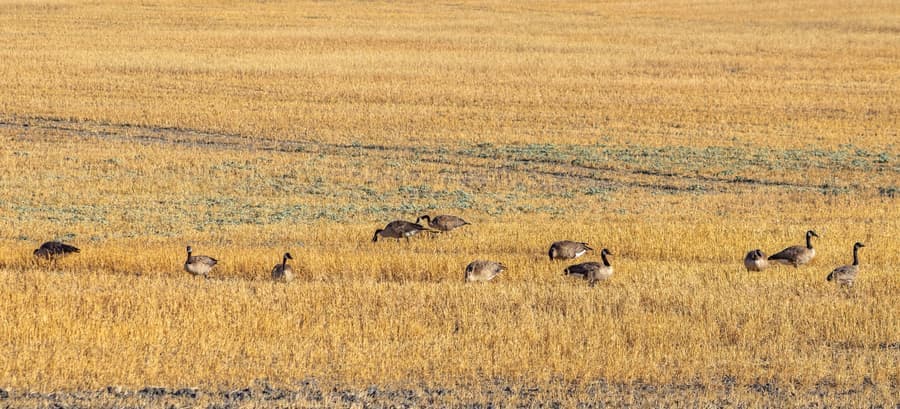
Silhouette vs full body
Silhouette and full-body/shell Canada goose decoys compared on weight, packability, realism and warranty, with picks for each side.
Featured pick Dakota Decoy X-Treme Canada Silhouettes
Check price on Amazon#ad · Price set by Amazon · Affiliate disclosure for the link to Dakota Decoy X-Treme Canada Silhouettes
Comparison
Avian-X vs Dakota
Avian-X and Dakota Decoy compared on published mallard and Canada goose specs, with picks from each brand.
Featured pick Avian-X Topflight Fusion Mallards
Check price on Amazon#ad · Price set by Amazon · Affiliate disclosure for the link to Avian-X Topflight Fusion Mallards
Guides
Know before you buy

Guide
How many duck decoys
How many duck decoys to run by water type and season phase, sourced from Ducks Unlimited field writers, with picks that scale up or down.
Featured pick Higdon Outdoors Standard Mallards, Foam-Filled (6-Pack)
Check price on Amazon#ad · Price set by Amazon · Affiliate disclosure for the link to Higdon Outdoors Standard Mallards, Foam-Filled (6-Pack)
Guide
How many goose decoys
How many goose decoys to run for field and water hunts, by spread size and season phase, sourced from Ducks Unlimited field writers.
Featured pick Dakota Decoy Signature Series Canada Uprights
Check price on Amazon#ad · Price set by Amazon · Affiliate disclosure for the link to Dakota Decoy Signature Series Canada Uprights
Guide
Goose decoy spreads
How to lay out a goose decoy spread: named field and water patterns, landing-hole sizing, and where silhouettes fill out the numbers.
Featured pick GHG Pro-Grade Silhouette Canada Goose Decoys
Check price on Amazon#ad · Price set by Amazon · Affiliate disclosure for the link to GHG Pro-Grade Silhouette Canada Goose Decoys
FAQ
Questions hunters ask
What's the difference between a duck decoy and a goose decoy?
Do I need motion decoys to start?
How many decoys should I start with?
Are silhouette decoys as good as full-body decoys?
Ask us
Hunting a situation we haven't covered?
Tell us the water, the birds and the part of the season. Reader questions decide what we research next. Email mike@blackironathletics.com or use the contact form.